Requirement-based freight planning

Freight Forwarding for Import and Export Shipments

The right freight plan balances cost, speed and cargo safety, and that balance shifts with every shipment. Share the product, route, preferred mode of transport and timeline you need, and we will review the real options before preparing a clear, workable proposal built around your cargo.
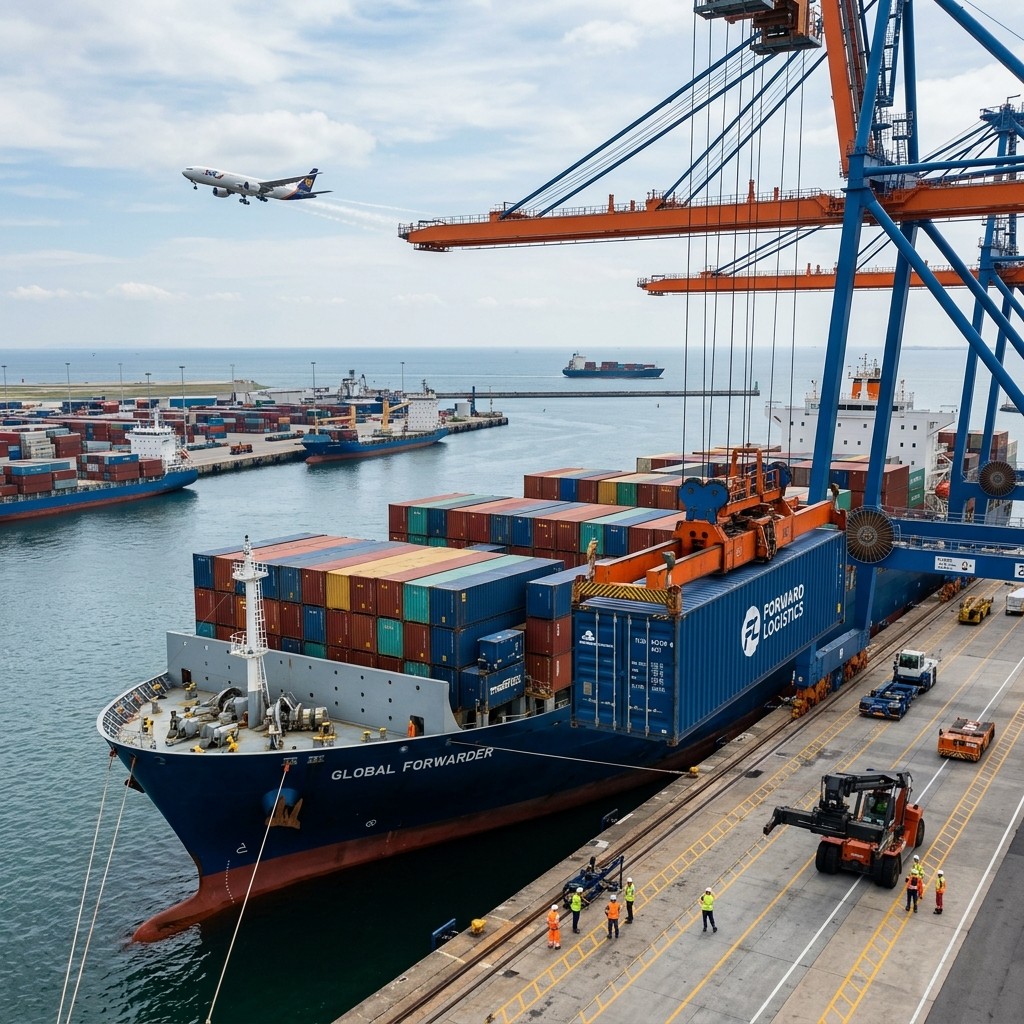
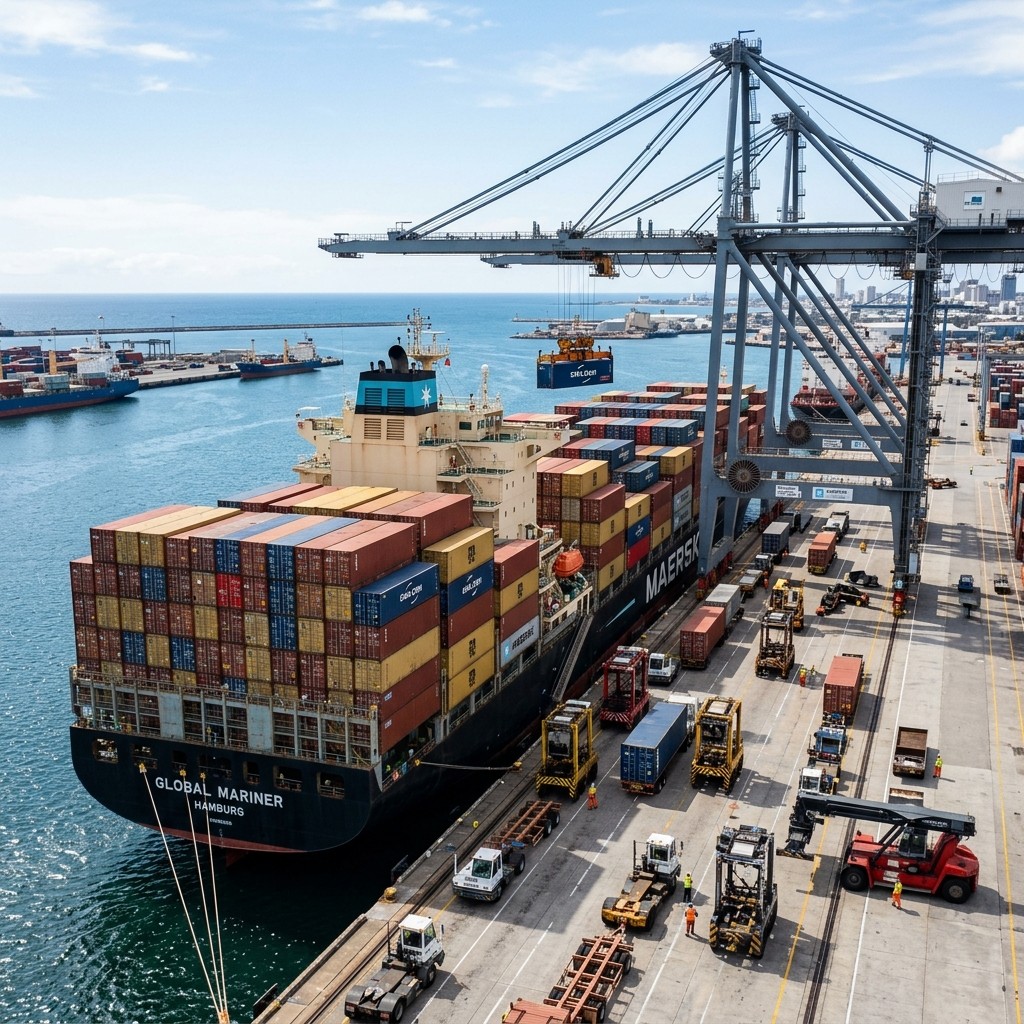
Freight forwarding shipment with containers and transport planning
01
ModeSea, air, road or combined
02
Cargo detailWeight, volume and handling
03
RouteOrigin, destination and term
Sea freight selectedBulk and heavy cargo review
Freight Forwarding Overview

Freight planning changes with the cargo, route, mode and delivery term

Suruthi Global Traders handles freight forwarding enquiries for shipments across the product categories we trade. We work with importers, exporters, distributors, project buyers and international trading partners through a single trading contact.

Freight is never one-size-fits-all. The product, weight, volume, route, mode of transport and delivery term all shape what a shipment actually needs. A plan that keeps one cargo cheap and safe can be the wrong call for the next.

We review every enquiry against genuine freight and routing options. Where a lawful, workable route is not available, we say so rather than promise a result we cannot deliver. Each proposal is built around your confirmed shipment, not a generic template.
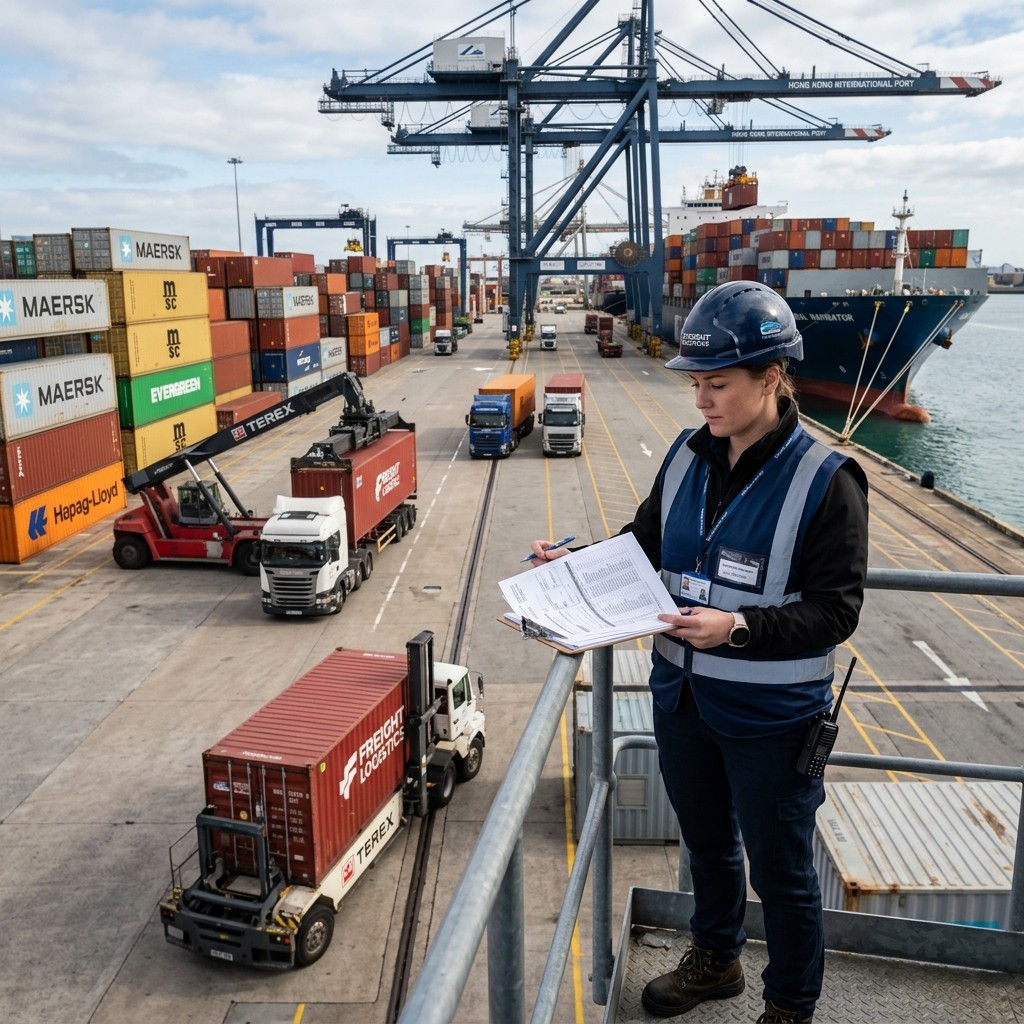
Freight route and shipment planning

Core freight variables

ProductWeightVolumeRouteModeTimeline
Shipment Configuration

Open each dropdown and define the freight profile

Direction, preferred mode and handling profile should be identified before routing and pricing are reviewed.

Sea freight

Sea freight supports large and heavy volumes where timing is flexible

The route review should compare full-container, less-than-container and other suitable sea-freight options against cargo dimensions, weight, packaging and deadline.

Typical fitLarge or heavy cargo
Main dependencySailing schedule and port routing
Planning focusVolume, container fit and transit window
Gross and net weightPackage dimensionsOrigin and destination portsTarget delivery window
Accurate Proposal Details

Build a freight-ready shipment enquiry

Tick the details already available. The readiness percentage and freight summary update instantly.

0%
Starting information required
Mode of Transport

Compare sea, air, road and multimodal freight

The best route depends on cargo size, urgency, handling needs, budget and the available transport network.

Sea freight

Sea freight is usually practical for large or heavy cargo

Sea transport can reduce cost for suitable volumes, but sailing schedules, port handling, container fit and longer transit windows must be considered.

Typical fitBulk, heavy or containerised cargo
Main benefitLower cost for suitable volume
Main dependencyCarrier schedule and port routing
Buyer should confirmCargo dimensions and delivery deadline
How the Process Works

Open each stage to see how the freight requirement moves forward

A proposal does not reserve space, capacity or a fixed rate. Work proceeds only through written acceptance and the required arrangement.

You share the cargo, route, dimensions, weight, preferred mode, documents and target delivery date.

A photograph or brochure supports the discussion but does not replace confirmed dimensions and weight.

Available modes, carrier routing, handling requirements and shipment documents are reviewed against the cargo.

Where a lawful or workable route is unavailable, no unsupported commitment is made.

A requirement-based proposal sets out the selected mode, route, commercial basis, shipment scope and validity.

Rates and space remain subject to carrier confirmation until booking.

The shipment proceeds only after written acceptance and completion of the agreed commercial arrangement.

An unaccepted proposal does not create a contract or reserve capacity.

The carrier or forwarding arrangement is coordinated, and shipment paperwork is checked against the confirmed cargo.

Freight handling may be coordinated through appropriate carrier and forwarding partners, subject to the shipment.

Shipment updates continue through to the delivery or handover point agreed in the transaction.

Transit estimates remain subject to carrier schedules, weather, congestion, customs and inspections.
Delivery-Term Comparison

Compare general freight responsibility before confirming the final Incoterm

The named place and transaction-specific responsibility split must be confirmed in writing.

EXW

Ex Works

The seller makes the goods available at the agreed premises. The buyer generally manages the main transport and related responsibilities from that point.

Origin collectionUsually buyer-arranged
Main freightBuyer
InsuranceBuyer decision
Risk pointAt the agreed seller premises
Cargo Insurance Planner

Record the cargo value and insurance preference before booking

Standard carrier liability may not match the full cargo value. Any cover remains subject to the product, route, declared value and insurer acceptance.

Freight Forwarding Gallery

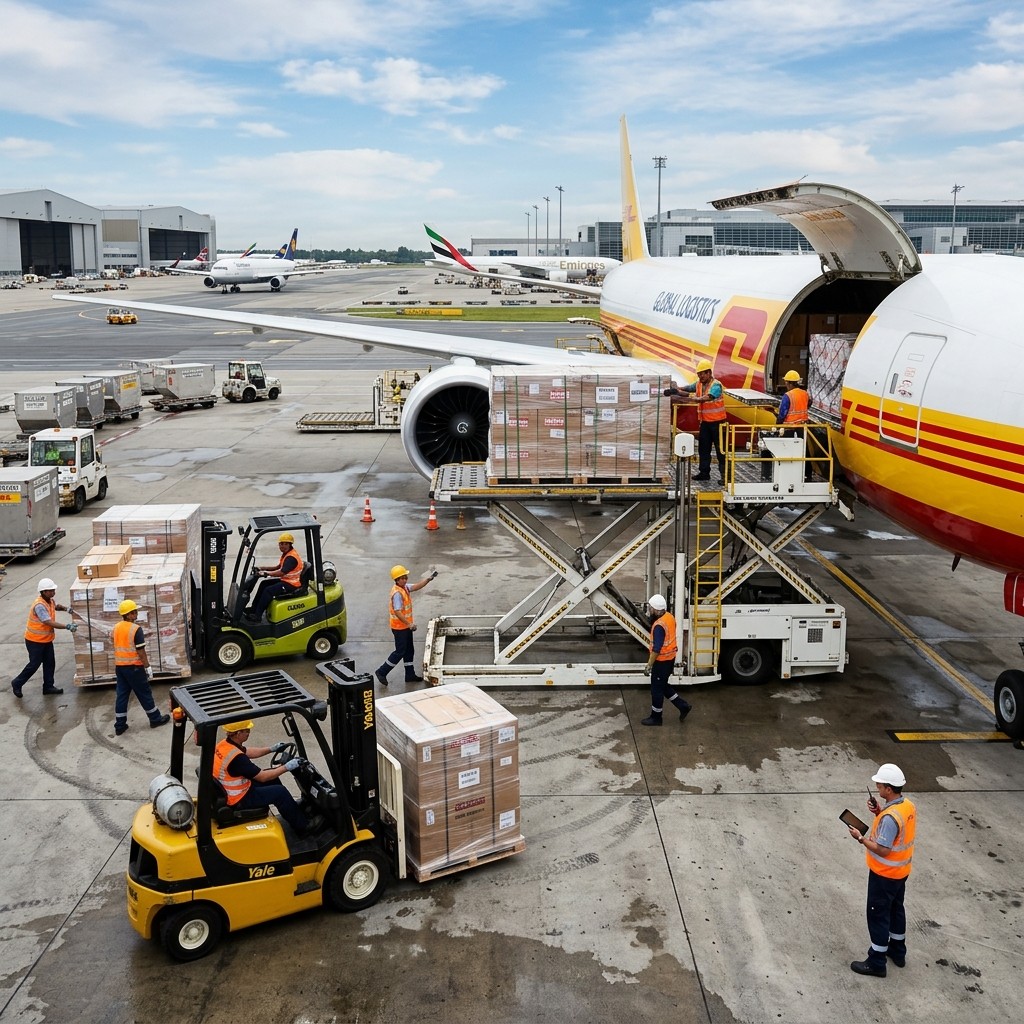
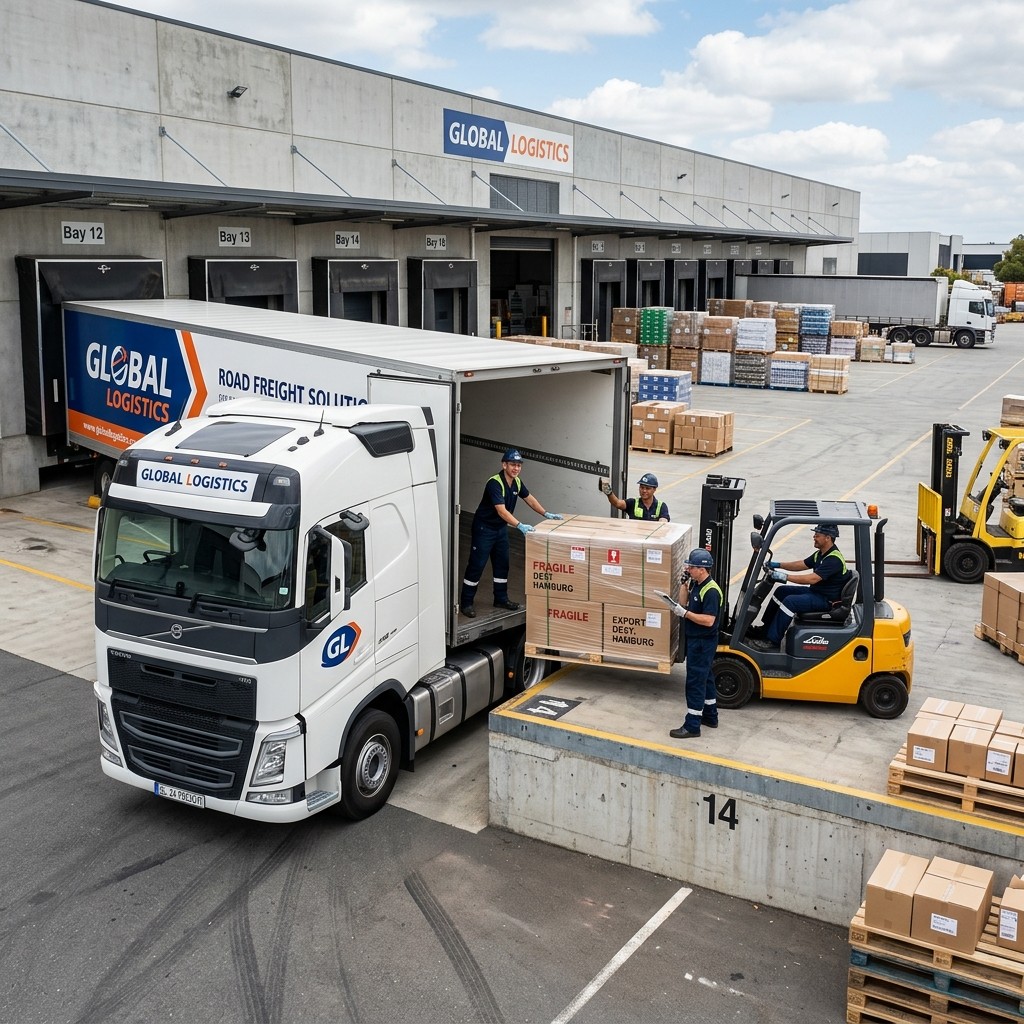
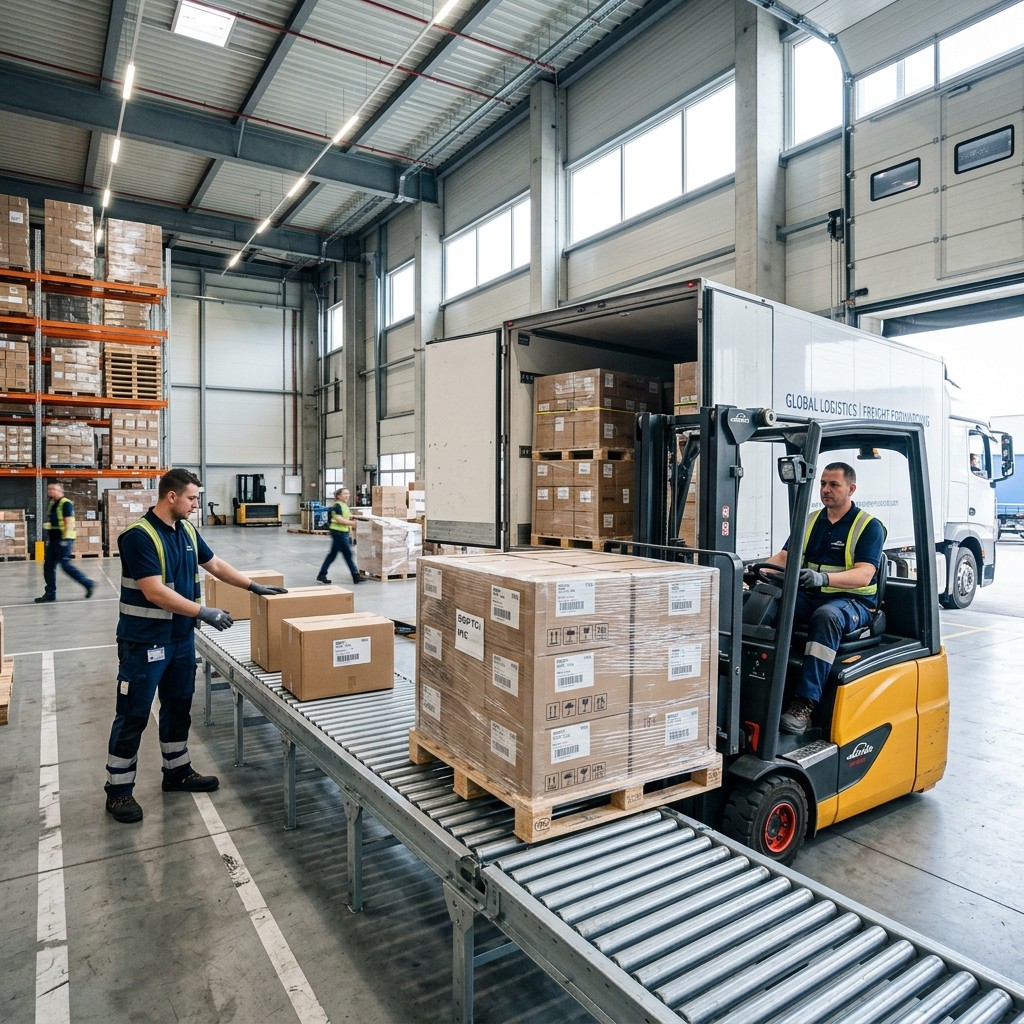
Use real cargo, carrier, loading and shipment photographs

Click an image to enlarge it.

Freight Forwarding Enquiry Questions

Open a question to review the freight requirement

Yes. State the direction, product and route, and we will review the mode and routing options before preparing a proposal.
That depends on weight, volume, budget and deadline. Sea suits suitable bulk, air suits urgent or high-value cargo, and road covers regional legs.
Often, yes. Consolidation depends on aligned timing, compatible packing and the route involved.
No. Weather, congestion, carrier schedules, customs processing and inspections can all shift timing. Any transit estimate is a target rather than a guarantee.
Cover can often be reviewed, subject to the product, route, declared value, policy terms and insurer acceptance.
Pricing is prepared against the confirmed product, weight, volume, mode, delivery term, documentation and route. Each proposal carries its own stated validity.
Share Your Freight Requirement

Send the direction, product, weight, volume, route and handling needs

Complete information prevents vague proposals and unnecessary delay. Each proposal is prepared against the confirmed cargo and routing requirement.